Chinese Restaurant Experiences for Unforgettable Food Trips
Chinese restaurant experiences can turn a simple meal into an exciting stop on any food trip. The cuisine www.newhongkongchineserestaurant.com offers an enormous range of flavors, textures, ingredients, and regional traditions, giving travelers plenty to discover from one restaurant to another. A single dining experience may include delicate dumplings, hand-pulled noodles, fragrant rice dishes, roasted meats, fresh seafood, and colorful vegetables. Each selection can reveal something about the cooking traditions behind Chinese food while creating memorable moments around the table. Travelers can also explore different restaurant styles, from lively dining rooms filled with shared plates to quieter spaces that focus on carefully prepared regional specialties. With curiosity and an appetite for variety, Chinese restaurant dining can become one of the most rewarding parts of a culinary journey.
Begin With Regional Specialties
Regional specialties provide an excellent starting point for travelers who want to experience Chinese cuisine beyond familiar restaurant dishes. Sichuan cooking brings bold spices, chili, and Sichuan peppercorns, while Cantonese cuisine often highlights fresh ingredients and balanced seasoning. Northern traditions feature dumplings, noodles, and steamed breads, while other regions showcase seafood, rice dishes, fermented ingredients, or slow-cooked recipes. These differences make each destination and restaurant visit feel distinct. Travelers can ask about regional specialties or look for dishes associated with the area they are visiting. This approach transforms a meal into a small cultural exploration, allowing food lovers to connect local traditions with the flavors appearing on their plates.
Share Several Dishes
Sharing several dishes can make restaurant dining more enjoyable during a food trip because it allows travelers to experience a wider range of flavors. Instead of choosing one large entrée, a group can order dumplings, vegetables, seafood, noodles, roasted meat, and a regional specialty. Everyone can sample small portions and compare textures or seasonings. This format also makes unfamiliar dishes less intimidating because no single choice needs to satisfy the entire table. A shared meal can develop naturally as diners discover favorites and order additional selections. The experience becomes social as well as culinary, creating memories around conversations, reactions, and unexpected discoveries.
Explore Traditional Dumplings
Dumplings can reveal a remarkable amount about Chinese culinary traditions. Restaurants may serve steamed, boiled, pan-fried, or soup-filled varieties with fillings made from pork, shrimp, beef, vegetables, mushrooms, or other ingredients. The wrapper thickness, filling texture, cooking method, and dipping sauce can all influence the final experience. Travelers can compare different styles across regions to understand how local traditions shape a familiar food. A small plate also makes dumplings convenient during a busy food itinerary because diners can enjoy them without committing to a heavy meal. For travelers seeking authentic experiences, traditional dumplings offer an accessible and flavorful introduction to regional cooking.
Follow the Noodle Traditions
Noodles offer another rewarding path for culinary travelers. Chinese restaurants can prepare them in soups, stir-fries, dry dishes, or savory sauces, with each preparation producing a different combination of texture and aroma. Thick noodles may provide a satisfying chew, while thinner varieties can absorb lighter broths or sauces. Toppings such as beef, pork, shrimp, mushrooms, greens, and scallions add further variety. Travelers can also pay attention to handmade noodles, where stretching, cutting, and shaping techniques influence the final texture. Trying noodle dishes in different destinations can reveal how local ingredients and cooking traditions transform one of China’s most familiar staples.
Taste Roasted Specialties
Roasted dishes can provide a richer side of Chinese restaurant cuisine. Roast duck and char siu demonstrate how careful seasoning and cooking can create complex aromas, tender meat, and appealing textures. Roast duck often combines crisp skin with succulent meat, while char siu can offer a savory flavor balanced by gentle sweetness. These dishes can work particularly well as shared selections alongside vegetables, rice, or lighter seafood. Travelers may also discover regional roasting traditions that differ in seasoning and presentation. Including a roasted specialty in a food-focused itinerary can create a memorable contrast after several lighter or steamed dishes.
Look for Fresh Seafood
Seafood can reveal the relationship between Chinese cuisine and local geography. Coastal destinations often offer fish, shrimp, squid, shellfish, and other ingredients prepared according to regional traditions. Steaming can preserve the natural character of fresh fish, while ginger and scallions add fragrance without overpowering it. Other preparations may introduce garlic, chili, fermented sauces, or wok-fired aromas. Travelers can explore different techniques to understand how cooks adapt seafood to local preferences. A fresh seafood dish can also provide balance during a food trip filled with richer meals, giving diners a lighter option while still delivering distinctive flavors.
Discover Vegetable Preparations
Vegetables deserve attention during culinary travels because Chinese cooking offers countless ways to turn simple produce into memorable dishes. Bok choy, Chinese broccoli, eggplant, mushrooms, snow peas, bean sprouts, and leafy greens can appear steamed, stir-fried, braised, or served with aromatic sauces. Garlic, ginger, sesame, and fermented ingredients can add complexity without hiding the character of the vegetables. Trying these dishes can also help travelers appreciate the importance of texture in Chinese cooking. Crisp greens, tender mushrooms, and silky eggplant each provide a different sensation. Including vegetable dishes makes shared meals more balanced while introducing flavors that travelers might otherwise overlook.
Experience Tea With the Meal
Tea can add cultural depth to a Chinese restaurant experience. Jasmine tea provides floral fragrance, green tea offers a fresher character, while oolong and pu-erh deliver deeper aromas. Sharing tea during a meal creates natural pauses between dishes and gives travelers time to appreciate the food and surroundings. Tea can also refresh the palate after fried foods, spicy preparations, or rich roasted dishes. For visitors interested in local traditions, the beverage offers insight into hospitality and dining customs that extend beyond the kitchen. A simple tea service can therefore become an important part of the memory attached to a restaurant visit.
Notice the Cooking Techniques
Paying attention to cooking techniques can make a food trip much more interesting. Stir-frying creates quick, high-heat flavors and crisp textures, while steaming preserves delicate ingredients. Braising develops tenderness and allows sauces to penetrate slowly, while roasting creates deeper aromas and richly textured surfaces. Travelers can compare these techniques when restaurants prepare similar ingredients in different ways. A single vegetable or protein may taste completely different depending on the method. Understanding these differences makes it easier to appreciate the skill behind each dish and recognize why traditional Chinese cuisine places so much importance on technique.
Explore the Restaurant Atmosphere
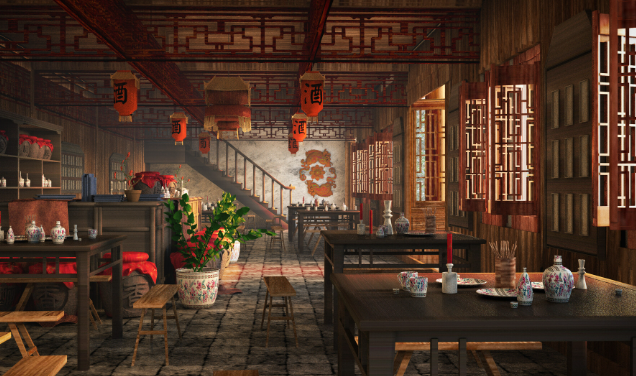
The restaurant itself can become part of the culinary journey. Busy dining rooms, communal tables, tea service, open kitchens, and traditional décor can create an atmosphere that reflects local food culture. Some restaurants may focus on regional specialties, while others offer broader menus that combine dishes from several culinary traditions. Travelers can observe how guests order, share food, drink tea, and interact around the table. These details provide context that a menu alone cannot communicate. Food trips become more memorable when travelers experience both the dishes and the environment surrounding them.
Keep Room for Unexpected Finds
The most memorable Chinese restaurant experiences may come from dishes travelers never planned to order. A regional soup, unfamiliar vegetable, handmade noodle, seasonal seafood preparation, or traditional dessert can become an unexpected favorite. Leaving some space for recommendations allows restaurant staff or local diners to introduce specialties that may not appear on a typical tourist-focused list. Travelers can also explore menus gradually rather than trying to understand everything at once. A little curiosity can lead to discoveries that become highlights of the entire trip. Each unexpected dish adds another chapter to the culinary story.
Turn Every Meal Into a Memory
Chinese restaurant dining can become an important part of a food trip because every meal offers opportunities to explore culture through flavor. Regional specialties reveal geographic diversity, shared dishes create social connections, and traditional techniques demonstrate generations of culinary knowledge. Dumplings, noodles, roasted meats, seafood, vegetables, and tea each contribute a different perspective. Travelers who remain open to unfamiliar selections can discover dishes that stay memorable long after the trip ends. The combination of food, atmosphere, tradition, and shared moments makes Chinese restaurant experiences more than stops between sightseeing activities. They can become destinations in their own right, giving every meal a chance to tell a new culinary story.