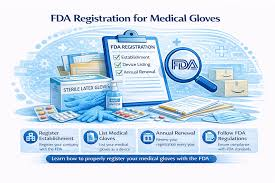
What FDA Regulations Mean for Medical Examination Gloves
FDA glove regulations help establish safety, quality, and labeling requirements for medical examination gloves used in healthcare settings. These rules help healthcare providers understand product performance and choose suitable protection for routine patient care. Medical facilities should also review product information and select reliable https://www.glovesupply.us/ that meet their intended needs.
FDA Glove Regulations and Medical Device Classification
The U.S. Food and Drug Administration (FDA) regulates medical examination gloves as medical devices. Their classification depends on the type of glove and its intended use. Manufacturers must follow applicable regulatory requirements before marketing their products in the United States.
Many medical examination gloves fall under Class I medical devices and may qualify for certain regulatory exemptions. However, exemptions do not remove every obligation. Manufacturers must still comply with applicable requirements, including relevant quality system, labeling, and establishment registration rules.
Healthcare buyers can check product documentation to understand whether a glove suits their facility’s intended applications. This step helps reduce confusion when comparing different materials, features, and product claims.
FDA Glove Regulations for Quality and Performance
FDA glove regulations support product safety through requirements that depend on the device and its intended use. Manufacturers must ensure their products meet applicable standards and accurately represent their intended performance.
For example, medical examination gloves designed for patient care should provide an appropriate barrier for their intended use. Buyers may compare material types, such as nitrile, latex, and vinyl, while considering comfort, durability, and potential allergy concerns.
Some gloves also undergo testing for physical properties and barrier performance. Buyers should review available specifications and documentation instead of relying on appearance alone. Clear product information makes it easier for healthcare facilities to choose gloves that suit their procedures.
Labeling Requirements for Medical Examination Gloves
Accurate labeling helps healthcare professionals identify products and understand their intended uses. FDA requirements may cover information such as the manufacturer, product identity, intended purpose, and other applicable details.
Labels and accompanying documentation should not make unsupported claims about protection or performance. Buyers should read product descriptions carefully and check whether the stated features match their facility’s needs.
When purchasing gloves in larger quantities, healthcare organizations can also review packaging information and supplier documentation. These checks support consistent product selection and help staff identify the correct gloves for different tasks.
How FDA Glove Regulations Affect Purchasing Decisions
Understanding FDA glove regulations can help medical facilities evaluate suppliers and compare available products. However, FDA-related claims alone do not guarantee that a glove is the right choice for every healthcare task.
Purchasing teams should consider intended use, material compatibility, product specifications, packaging, and supply consistency. They can also ask suppliers for relevant documentation when product details remain unclear.
Reliable medical examination glove supplies can help healthcare organizations maintain access to products that match their operational requirements. Buyers should verify product details and applicable regulatory information before placing orders.
Restrictions on Powdered Medical Examination Gloves
The FDA banned powdered surgeon’s gloves, powdered patient examination gloves, and absorbable powder used to lubricate medical gloves in the United States because of the health risks associated with these products.
Powder-free gloves are now widely used in healthcare environments. They can help facilities avoid risks associated with glove powder while supporting routine examination procedures. Still, buyers should check product labeling and select gloves that meet the needs of each application.
Healthcare teams should stay informed about relevant FDA requirements and review current product information when choosing medical examination gloves. Clear documentation and careful purchasing decisions can support appropriate glove selection and workplace safety.